
Blog & Articles
Blog > Blog & Articles
Need Assistance? We’re Just a Call Away
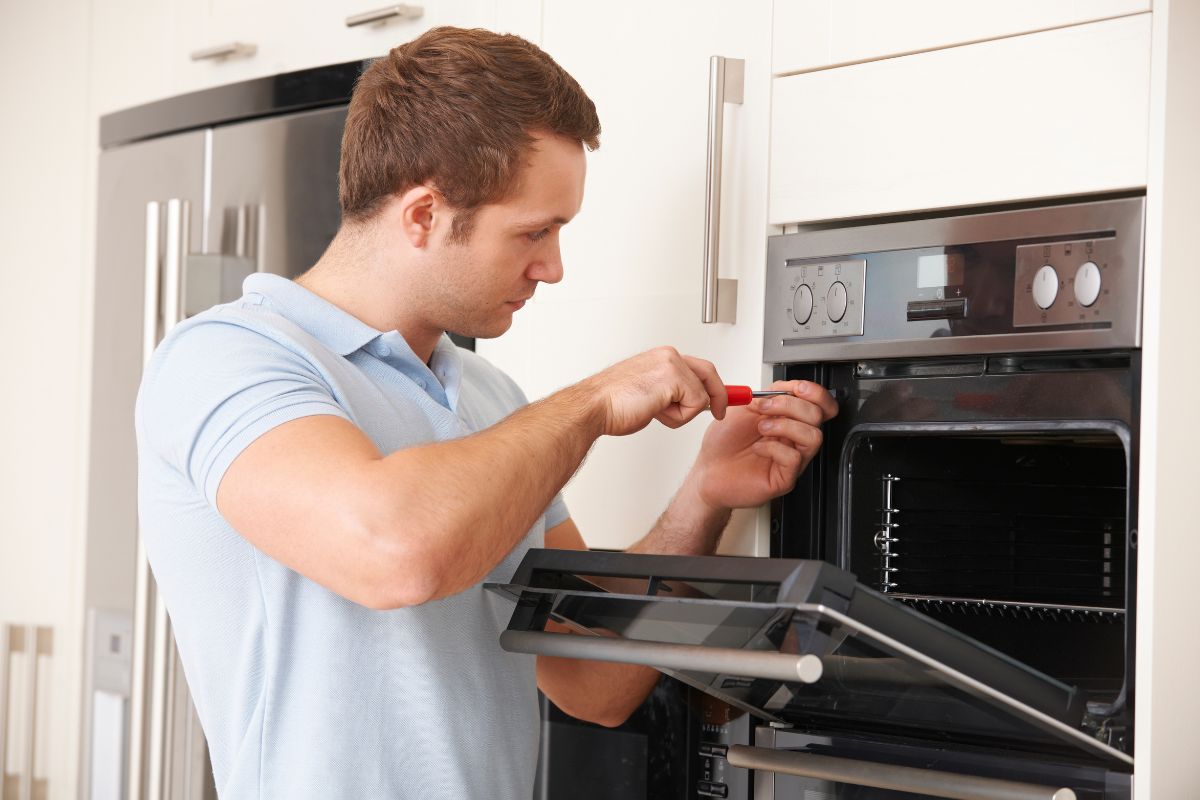
5 Reasons Your Gas Oven Won’t Heat Up Properly and What You Can Do
Gas ovens have been a reliable part of kitchens for generations—whether in homes, restaurants, or commercial spaces. Modern brands like LG, Samsung, Bosch, GE, Whirlpool, Frigidaire, and many others offer gas ovens known for performance and convenience. But even well-made appliances can run into problems, and one of the most frustrating issues is when your gas oven won’t heat up or struggles to reach the set temperature.
If your meals are coming out undercooked or the oven barely warms up, this guide from Appliance Local explains the most common reasons and what you can do before booking professional repair service.
Common Reasons a Gas Oven Won’t Heat Up
When you preheat your oven—say, to 350°F—you expect it to reach and maintain that temperature. But if you check the dish later and notice the oven barely warmed up, there’s likely an underlying issue. Before jumping into repairs, it helps to understand how a gas oven works.
When you select bake or broil, the control system sends power to the igniter or spark electrode. This component lights the gas, creating the flame needed to heat the oven. A thermostat or temperature sensor monitors how hot the oven gets and signals the control panel to cycle the gas on and off to keep a steady temperature. Many convection ovens use a fan to distribute heat more evenly during cooking.
If any of these parts malfunction, the oven stops heating correctly. Below are the five most common causes.
Reason 1 – The Igniter Is Weak or Faulty
The igniter is one of the most important parts of any gas oven. Over time, it may weaken, glow faintly, or fail to ignite the gas at all. If your burner doesn’t light or the oven won’t heat past a certain point, the igniter is very likely the problem. A technician can test its electrical continuity and replace it if necessary.
Reason 2 – The Spark Electrode Is Damaged
Some gas ovens use a spark electrode instead of a traditional igniter. If the electrode becomes cracked, loose, or worn out, it may stop producing a spark, meaning the gas won’t ignite. Any visible damage is a sign that it needs replacement.
Reason 3 – The Thermostat or Temperature Sensor Isn’t Working
Your oven relies on the thermostat or temperature sensor to regulate heat. If this component fails, the oven may shut off early, overheat, or never reach the desired temperature. Testing it with proper tools can confirm whether it’s functioning correctly.
Reason 4 – The Temperature Isn’t Calibrated Correctly
Sometimes the oven heats—but not to the temperature shown on the display. This means the oven is out of calibration. You can test the accuracy by using an oven-safe thermometer and comparing the readings over time. Adjusting the temperature settings may restore correct heating.
Another issue related to incorrect temperature is burnt or loose wiring, especially near the igniter or electrode. Any damage you can see should be corrected before using the oven again.
Reason 5 – The Control or Relay Board Has Failed
If all other components are working, the issue may lie in the control board or relay board. These parts regulate voltage and cycle the oven’s heat. When they fail, the oven may not respond, heat, or stay on. Physical signs like burnt marks or melted connections often indicate board failure and require replacement.
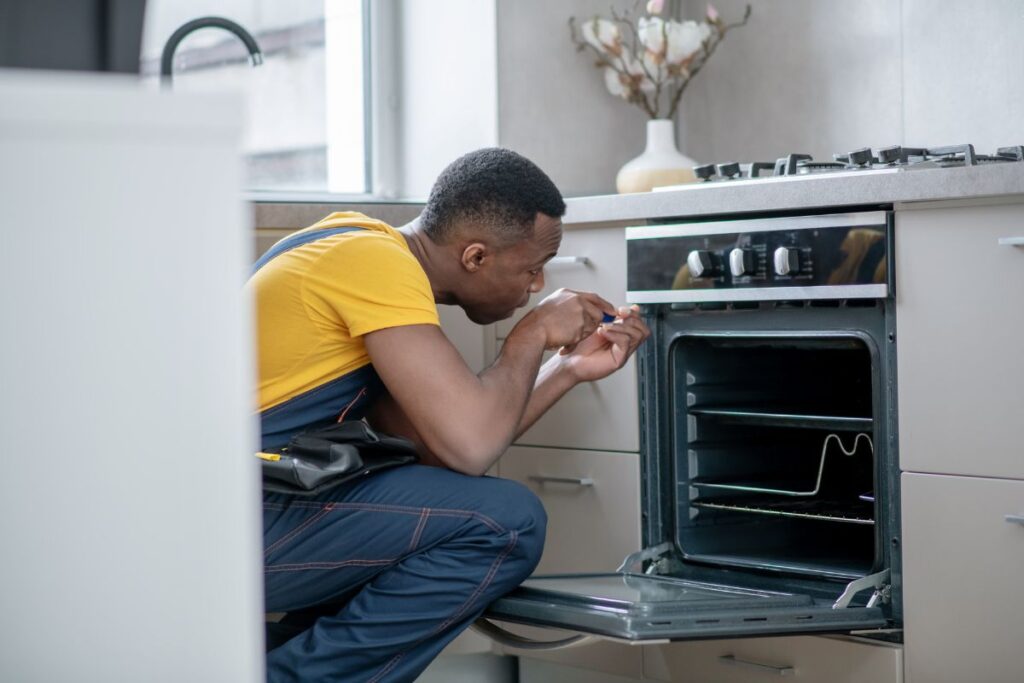
Troubleshooting Your Gas Oven
Your gas oven is essential—even if you don’t use it every day. When it stops working right before cooking dinner or baking, it becomes a major inconvenience. Here are practical steps you can take before calling a professional:
Check the igniter for proper glow and continuity.
Inspect the thermostat or sensor using a multimeter.
Recalibrate the oven temperature using a thermometer over a 1–3 hour period.
Look for burnt wiring or damaged connectors near heat sources.
Examine the control board for signs of burning or short circuits.
It’s important to note that gas appliances involve safety risks. In many regions, including Ontario, only certified technicians are legally allowed to service or repair gas appliances.
When to Call a Professional Technician
If your oven still won’t heat after basic troubleshooting, the issue may involve electrical components, valve systems, or the control board—problems that require trained expertise.
Contact a professional if you notice:
Oven taking too long to heat
Unusual smells or clicking sounds
Temperature fluctuations
Igniter not glowing
Repeated shutdowns
Gas smell or safety concerns
Control panel not responding
A certified technician can diagnose the root cause and perform safe, accurate repairs.
Trusted Gas Oven Repair With Appliance Local
When your gas oven refuses to heat, you don’t have to deal with the stress alone. Appliance Local provides reliable, prompt gas oven repair services you can count on. Our technicians have extensive experience working with major brands and can diagnose issues quickly and safely.
We deliver professional repair solutions, quality workmanship, and friendly customer service—ensuring your oven gets back to perfect working order as fast as possible.